
11 Key Software Development Trends (2024-2026)
Global IT spending is predicted to rise 8% in 2024, reaching $5.1 trillion.
Software developments have been tapped to help society do everything from building apps with zero IT experience to monitoring patients in hospitals to tracking social distancing in the workplace.
Where will software and tech take us in the near future? Let’s dive right in. Here are the top 11 software development trends.
1. Businesses Adopt Low-Code And No-Code Development
Software development is often riddled with problems and setbacks.
Approximately 20% of all software projects fail and another 52% are “challenged”.
Of course, the process is incredibly expensive, too.
These factors have led some in the software development industry to start encouraging a simplified way of creating software: low-code/no-code development.
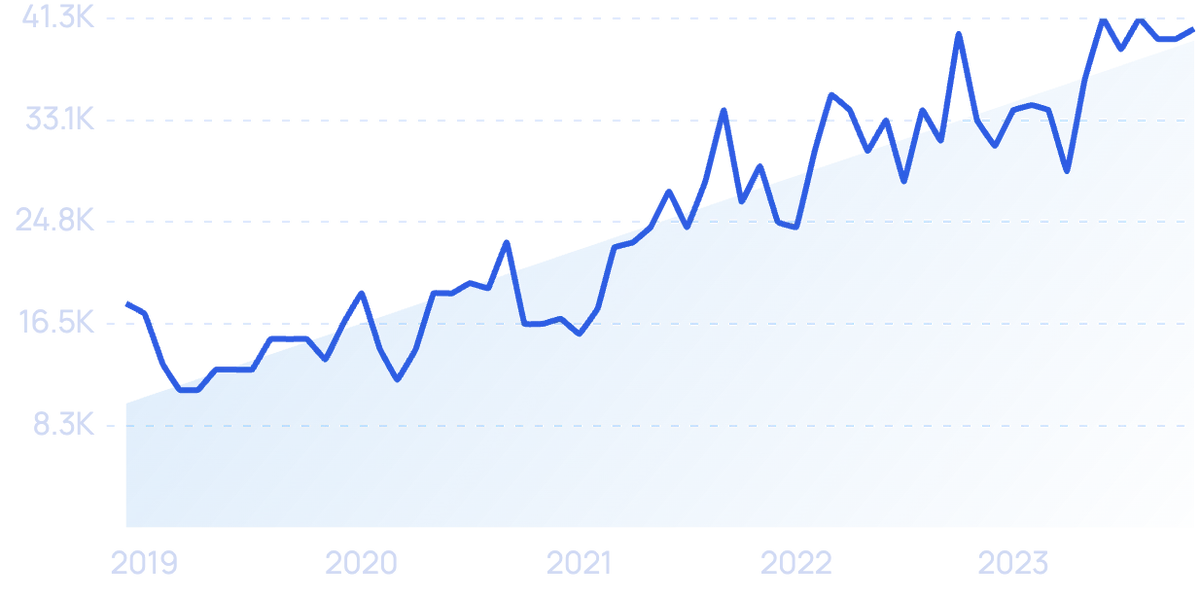
As its name implies, developing software in this way does not utilize advanced IT knowledge or coding skills.
Low-code and no-code development can translate into easier, faster development.
No-code platforms allow users to drag-and-drop blocks of pre-made code in a visual interface.
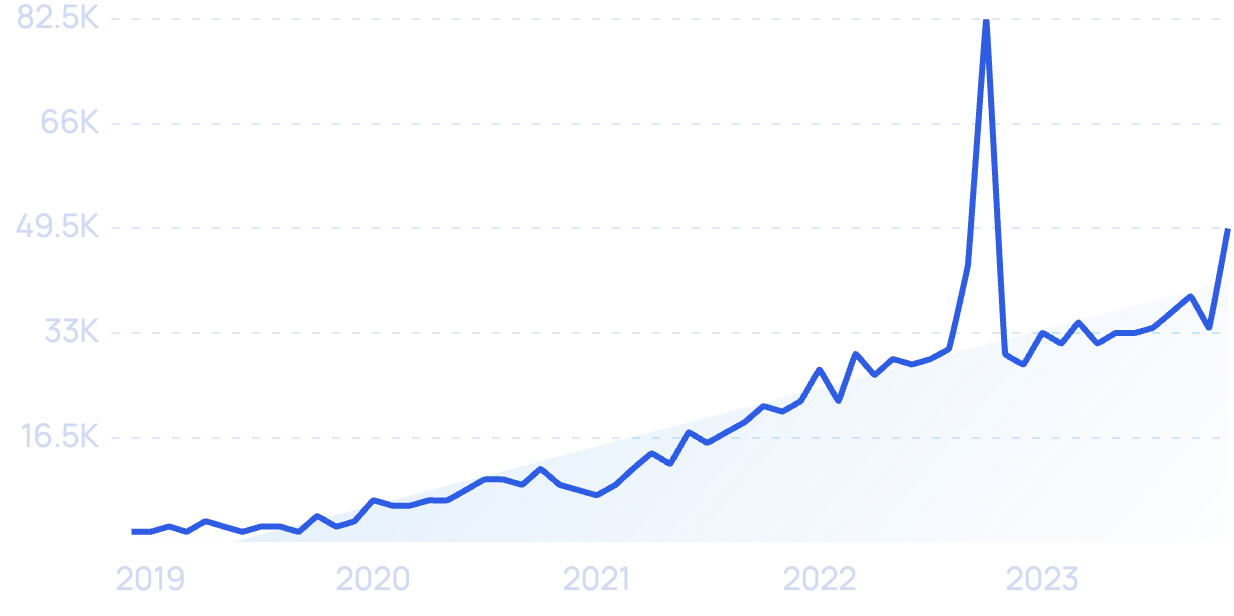
Low-code platforms are a bit more technically involved, but provide shortcuts that help developers work quicker.
KPMG reports that 100% of enterprises that have put a low-code platform into place have reported a positive ROI.
They also say that the number of business executives who list this type of development as their most important automation investment has nearly tripled since the pandemic began.
Forrester predicted that 75% of all app development would use these types of platforms in 2021. That’s an increase of 31% over 2019.
According to Gartner, more than half of all medium to large enterprises are likely to have adopted a low-code application platform as of 2023.
Bubble is one example of a visual development tool that’s been used to build everything from budgeting programs to project management tools to virtual learning apps.

In its first round of venture capital funding, the company raised $6.25 million.
Adalo is another popular no-code platform. The startup announced an $8 million series A round.
2. Remote Work Drives An Increase In Cloud Computing
As much as COVID-19 was the downfall for many industries, it prompted the rapid acceleration of cloud computing.
During the pandemic, most businesses expanded remote work capabilities and experienced a huge shift in IT needs.
The cloud was the perfect tool to help companies that needed to shift and adjust to the increased demand of this “new normal".
More than 90% of respondents in one survey said that cloud usage is higher due to the pandemic.

But the pandemic also showed how useful the cloud can be to businesses who need to down-scale.
For example, the bottom fell out of the tourism industry and those using cloud services don't need to maintain expensive data centers when they didn’t need them.
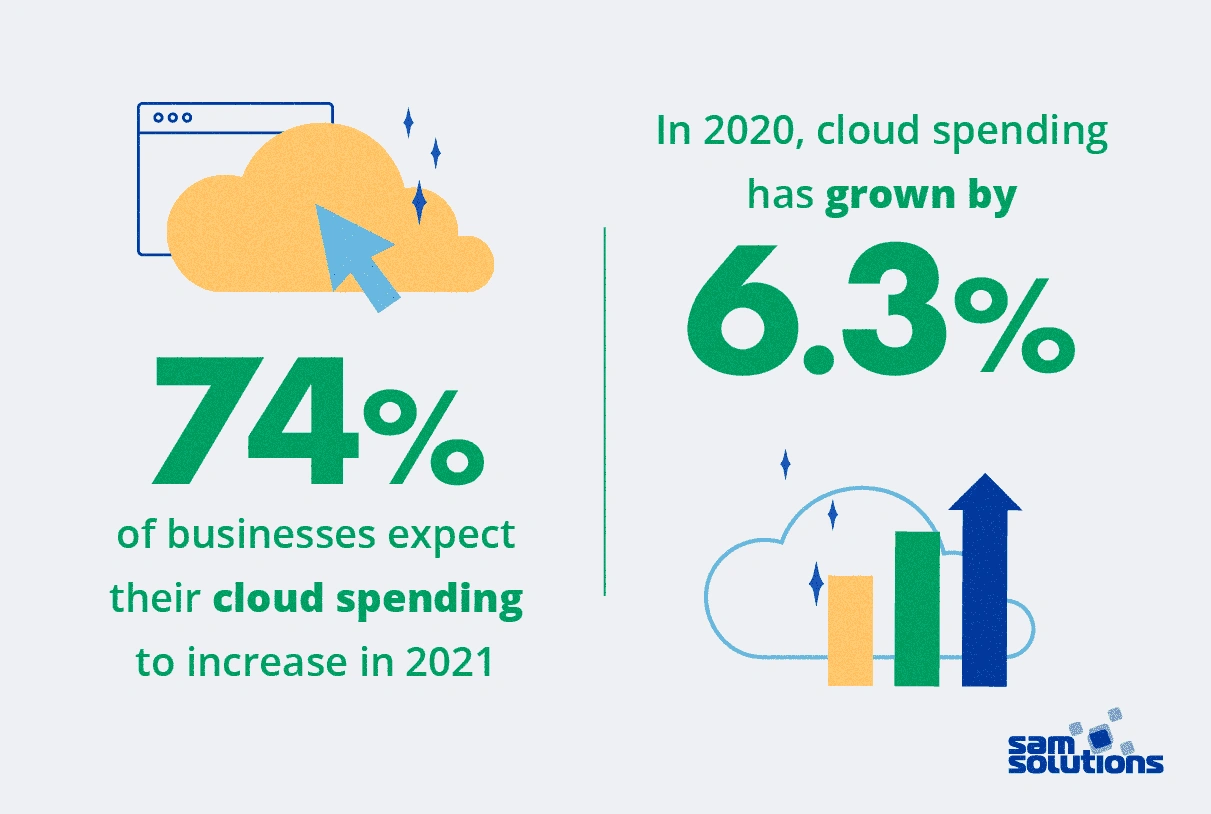
Even though global IT spending decreased in 2020, cloud spending grew by more than 6% to a total revenue of $258 billion.
Experts say the market will double over the next few years.
Global tech consulting firm Accenture launched “Cloud First” with a $3 billion investment in September 2020.
The move created a group of 70k cloud professionals working to get Accenture’s clients moved to the cloud quicker and more efficiently.
Accenture is also focused on acquiring cloud companies.
Most recently, they bought Industrie&Co and have acquired several other companies since the start of 2020.
Due to the massive growth in this industry, demand for cloud-native software engineers has never been higher.
This is especially true for individuals with experience in Software as a Service (SaaS), Infrastructure as a Service (IaaS), and Platform as a Service (PaaS).
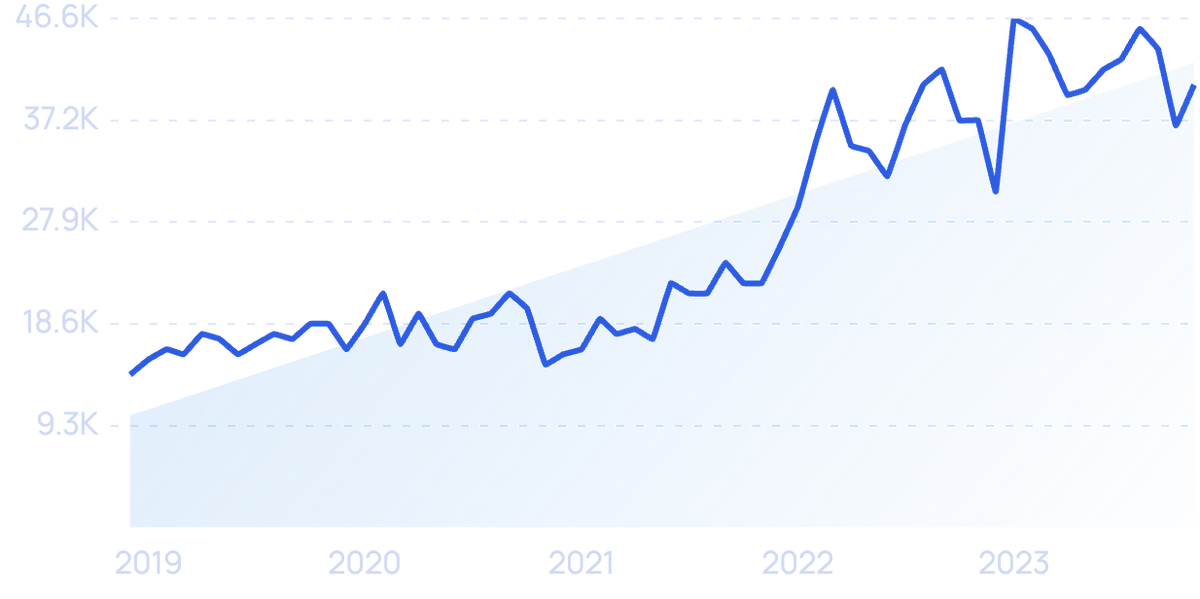
Amazon, which holds a 32% market share in cloud infrastructure services, is working proactively to train more people on cloud computing.
In December 2020, the company announced it would provide free cloud computing skills training to 29 million people across the globe in the next five years.
3. Malicious Software Development Ramps Up
Cybersecurity will likely remain a major concern in the next few years.
Ransomware, in particular, is a threat that’s expected to increase.
That means businesses will be looking for the right tools to keep their assets protected.
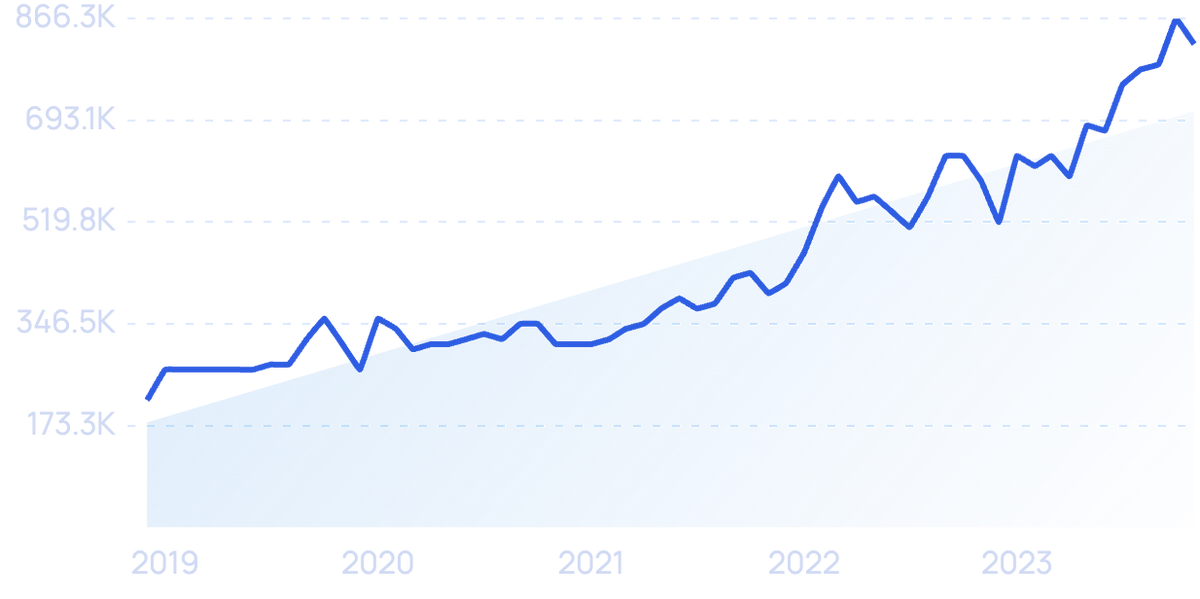
Ransomware attacks increased from 304.64 million in 2020 to 493.33 million in 2022.
Ransomware payments are up too. The average payment in November 2020, calculated at $233,000, had increased 31% from Q2 to Q4 2020.
Attacks in recent years have been devastating.
Hackers have targeted United States government agencies, hospitals, and major energy companies.
One of the latest trends in ransomware is double extortion.
In this malicious tactic, attackers first hold the company’s data for ransom. Later, they threatened to release that data if another ransom wasn’t paid.
In one report, IBM said double extortion attacks accounted for 59% of the ransomware attacks that IBM Security X-Force handled last year.
How businesses are protecting themselves against ransomware is evolving in 2024.
IBM Security reports that organizations with fully deployed security automation potentially save themselves $3.58 million in the event of a data breach than those who don’t have automation deployed.
Many organizations are going so far as to invest in cyber insurance.
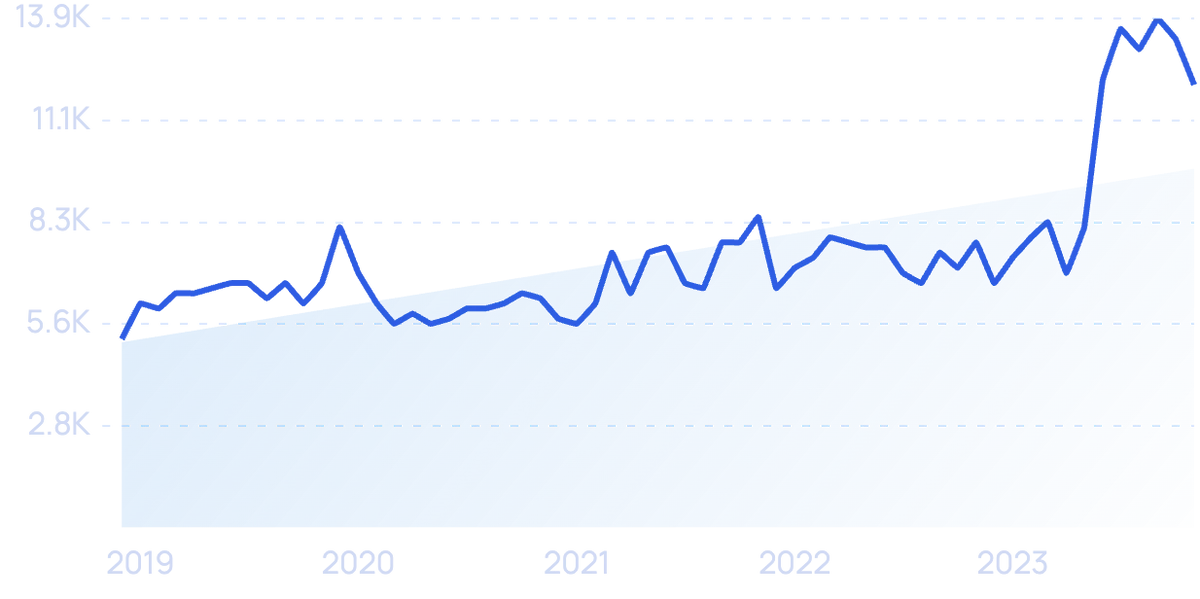
In fact, Colonial Pipeline, the owner of the nation's largest fuel pipeline network that fell victim to a ransomware attack in May 2020, reportedly had a $15-million policy.
The number of cyber policies increased 60% between 2016 and 2019.
However, ransoms and the losses associated with the attacks are so expensive that insurers may no longer offer coverage for these events in the coming years.
&media=https://codexchangemarket.com/assets/images/frontend/blog/65fa19a1cb8fd1710889377.png)
Recent Post
-

Codexchangemarket Author Fee Structure with Discount
27 Mar, 2024
-

Codexchangemarket Author Fee Structure
27 Mar, 2024
-

-
